EPTO database
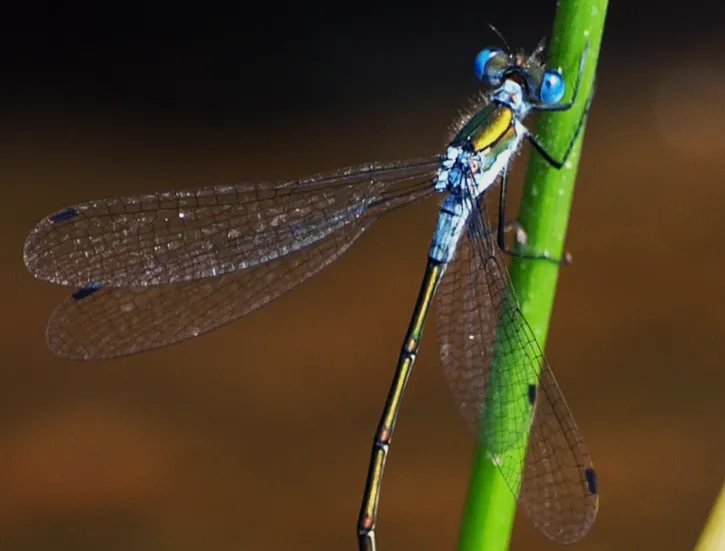
Our EPTO data paper has been published in Global Ecology and Biogeography ! Many thanks again to all co-authors and data providers for putting this together!
» Click here to read the publication «
» Click here to download the data «
» Click here for the visualization «
Global biodiversity is declining rapidly worldwide, and among terrestrial, marine and freshwater ecosystems, freshwaters are particularly vulnerable. These fragmented ecosystems cover less than 1% of the Earth’s surface, yet they harbour approximately 10% of all described species. Aquatic insects contribute to freshwater diversity by approximately 60% as the largest and most diverse taxa group, and given this substantial proportion, aquatic insects may be considered as a proxy for freshwater biodiversity and ecological state of a given habitat.
We have collated, together with nearly 100 co-authors, a global database of Ephemeroptera, Plecoptera, Trichoptera and Odonata (EPTO) occurrences comprising more than 8 million records. The data can be downloaded here and visualized here.
The following map shows the number of occurrences and genera per site (click here for the fullscreen interactive map):
CC BY-NC 4.0
This map shows the density of records globally (click here for the fullscreen interactive map):
CC BY-NC 4.0
Map of observation records per basin (click here for the fullscreen interactive map):
CC BY-NC 4.0
Map showing the number of genera per basin (click here for the fullscreen interactive map):
CC BY-NC 4.0