Biogeographic patterns of freshwater insects in the Magdalena-Cauca River Basin biodiversity hotspot
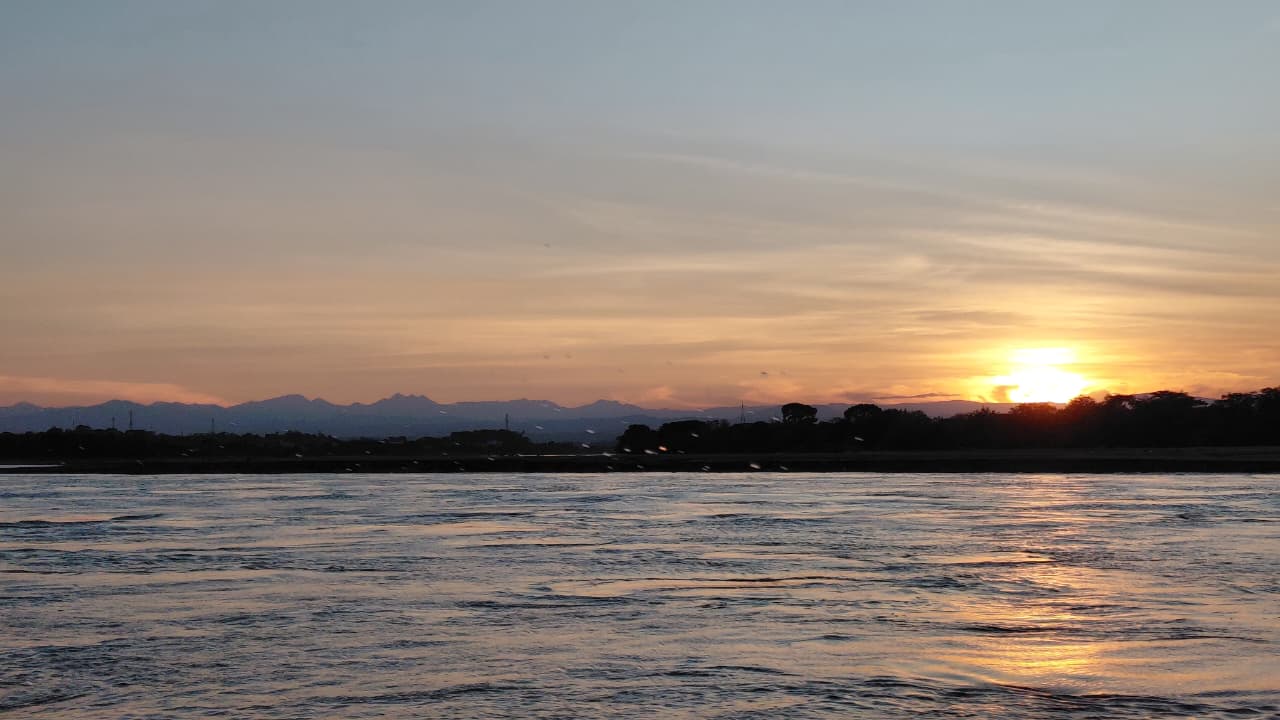
Colombia’s Magdalena-Cauca River Basin, covering nearly a quarter of the country and housing 48 million people, produces 70% of its hydroelectric power and supplies drinking water to 38 million. Despite its importance, freshwater biodiversity—especially freshwater insects—is poorly understood, while hydropower expansion demands urgent conservation mapping. My doctoral project uses species distribution models in this Tropical Andes hotspot to map freshwater insect habitats and biogeographic patterns, assess dam-driven fragmentation, and prioritize areas that balance energy development with biodiversity protection.
A first step has been to build a solid taxonomic foundation. The project now includes a comprehensive, machine-readable checklist of freshwater insect species for the western Neotropics. It covers seven orders (Coleoptera, Ephemeroptera, Plecoptera, Trichoptera, Odonata, Hemiptera and Megaloptera) across 21 countries, from southern Mexico to northwestern South America. Compiled from published catalogues and harmonized through a reproducible R workflow, it offers a validated backbone for occurrence retrieval and biogeographic analysis, and is adaptable to other taxa and regions. Because it spans the whole region, the species distribution models can also identify species recorded in neighbouring countries that are likely to occur in Colombia but have not yet been reported there. Together with the description of biogeographic patterns across the basin, this will help reduce two major knowledge gaps in the country: the Linnean shortfall, our incomplete inventory of species, and the Wallacean shortfall, our limited knowledge of where species occur.
The dataset will soon be published as a data paper.
Back to top